How Drive-Thru Culture Is Changing the Way Americans Eat
In today’s fast-paced world, convenience plays a major role in everyday decisions—especially when it comes to food. Over the past several decades, drive-thru restaurants have evolved from a simple fast-food feature into a central part of American dining culture. With the growth of quick service, mobile ordering, and digital payment systems, it has become easier than ever for people to pick up meals without leaving their cars.
Understanding How Drive-Thru Culture Is Changing the Way Americans Eat helps explain important shifts in consumer behavior, restaurant strategies, and food choices. What began as a practical option for drivers has developed into a defining element of the fast-food industry.
This article explores How Drive-Thru Culture Is Changing the Way Americans Eat, why the trend continues to grow, and what it may mean for the future of dining in the United States.
The Rise of Drive-Thru Dining
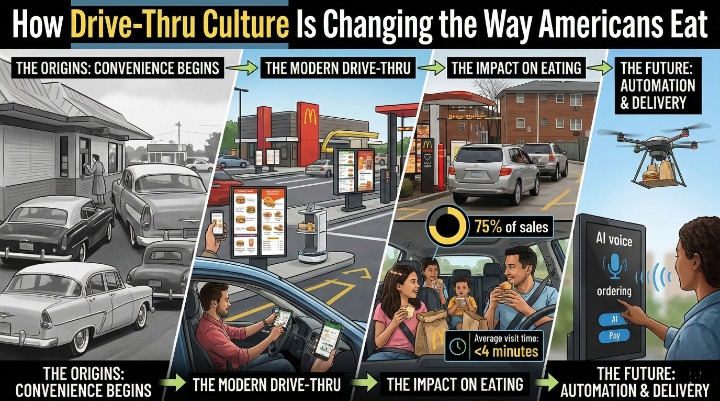
To understand How Drive-Thru Culture Is Changing the Way Americans Eat, it helps to look back at the history of drive-thru restaurants. The concept became widely popular in the United States during the 1950s, a time when car ownership was increasing and suburban communities were expanding.
Fast-food restaurants quickly recognized that serving customers in their cars could significantly improve speed and convenience. Drive-thru windows allowed people to order and receive meals without parking their vehicles or entering a restaurant.
Over time, this convenience shaped customer expectations. Today, many Americans prioritize speed and accessibility when choosing where to eat. This shift illustrates How Drive-Thru Culture Is Changing the Way Americans Eat, placing convenience at the center of the dining experience.
For many people, drive-thru stops are now part of daily routines—from picking up coffee on the way to work to grabbing dinner during a busy evening.
Convenience and the Modern Lifestyle
One of the main reasons behind How Drive-Thru Culture Is Changing the Way Americans Eat is the growing demand for convenience. Many people manage busy schedules that include work commitments, long commutes, and family responsibilities. In these situations, quick and accessible food options become especially appealing.
Drive-thrus offer a practical solution. Instead of preparing meals at home or sitting down in a restaurant, customers can place an order and receive their food within minutes.
This convenience influences not only how often people eat out but also when they choose to eat. Many Americans now rely on drive-thru meals during:
- Morning commutes
- Short lunch breaks
- Evening errands
- Late-night cravings
These habits reflect How Drive-Thru Culture Is Changing the Way Americans Eat by making food available quickly and at almost any time of day.
Restaurants have responded by extending operating hours and offering full menus through drive-thru service.
Technology and the Drive-Thru Experience
Technology has played an important role in How Drive-Thru Culture Is Changing the Way Americans Eat. Modern drive-thru systems now include digital menu boards, mobile ordering platforms, and contactless payment options.
These improvements make ordering faster and more efficient for customers.
Several technological changes have helped reshape the drive-thru experience:
Mobile Ordering Apps
Many restaurants allow customers to place orders through mobile apps before arriving at the drive-thru.
Digital Menu Boards
Digital displays make it easier to update menus instantly, highlight promotions, and feature seasonal items.
AI-Assisted Ordering
Some restaurants are experimenting with artificial intelligence systems that can take drive-thru orders automatically.
Contactless Payment Systems
Tap-to-pay and mobile payment options reduce transaction times and improve convenience.
Together, these innovations demonstrate How Drive-Thru Culture Is Changing the Way Americans Eat by making the process quicker and more streamlined.
The Impact on Fast-Food Menus
Another way How Drive-Thru Culture Is Changing the Way Americans Eat can be seen in restaurant menu design.
Drive-thru service works best with foods that are easy to prepare, simple to package, and convenient to eat on the go. As a result, many fast-food restaurants develop menu items specifically suited for drive-thru customers.
Common drive-thru options include:
- Burgers and sandwiches
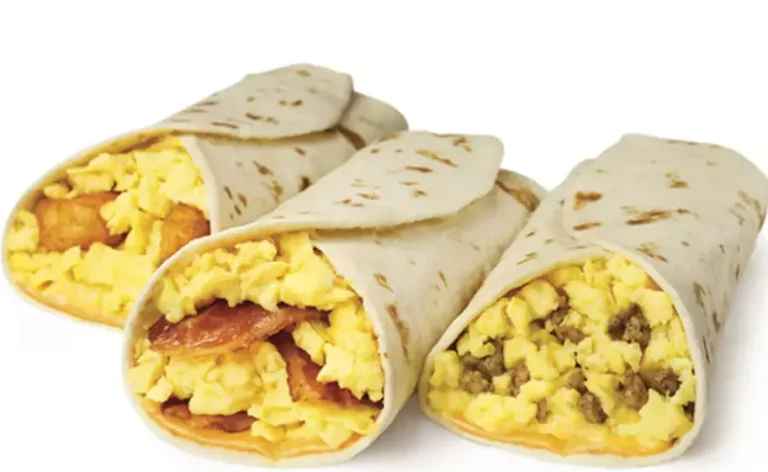
- Tacos and burritos
- Chicken nuggets and tenders
- French fries
- Smoothies and milkshakes
Restaurants also focus on foods that maintain their quality during short travel times in takeout packaging.
This emphasis on portability reflects How Drive-Thru Culture Is Changing the Way Americans Eat, encouraging meals that can be enjoyed quickly and conveniently.
Drive-Thrus and Fast-Casual Restaurants
Drive-thru service was once associated mainly with traditional fast-food chains. Today, however, many fast-casual restaurants are adopting the model as well.
This expansion provides another example of How Drive-Thru Culture Is Changing the Way Americans Eat. Restaurants that once focused primarily on dine-in experiences are adding drive-thru lanes to meet growing customer demand for speed and convenience.
Coffee shops, smoothie bars, and sandwich restaurants increasingly offer drive-thru service. These additions allow them to serve customers who prefer quick transactions without leaving their vehicles.
As a result, drive-thru dining now includes a wider range of food and beverage options than ever before.
The Pandemic’s Influence on Drive-Thru Growth
The COVID-19 pandemic played a significant role in accelerating How Drive-Thru Culture Is Changing the Way Americans Eat.
During periods of lockdown and social distancing, many restaurants closed their dining rooms temporarily. Drive-thru service became one of the safest and most reliable ways for businesses to continue serving customers.
Several changes occurred during this time:
- A sharp increase in drive-thru and takeout orders
- Expansion of drive-thru lanes at many restaurant locations
- Greater investment in digital ordering and mobile apps
Even after restrictions eased, many customers continued to rely on drive-thru service because they had grown accustomed to its convenience.
This shift further illustrates How Drive-Thru Culture Is Changing the Way Americans Eat, turning drive-thru dining into a long-term habit for many households.
Environmental and Urban Considerations
Although drive-thrus offer convenience, they also raise questions about environmental impact and urban planning.
Cars waiting in drive-thru lines may contribute to fuel consumption and emissions. As awareness of sustainability grows, some cities and restaurant operators are exploring ways to reduce these effects.
Possible approaches include:
- Faster ordering systems that reduce wait times
- Hybrid drive-thru and pickup models
- Designated parking spaces for mobile order pickup
These efforts show how discussions around How Drive-Thru Culture Is Changing the Way Americans Eat are also connected to broader environmental and planning considerations.
Urban planners are increasingly examining how drive-thru lanes affect traffic patterns and pedestrian-friendly spaces in cities.
Changing Consumer Habits
Consumer expectations have evolved significantly over the years, and How Drive-Thru Culture Is Changing the Way Americans Eat is closely tied to those changes.
Today’s customers often value:
- Speed and efficiency
- Easy digital ordering
- Convenient access to food
- Limited wait times
For many people, the ability to order food without leaving their vehicles is a major benefit.
Drive-thru systems also influence purchasing behavior. Because customers often make decisions quickly at the menu board, restaurants design menus to promote combo meals, special deals, and limited-time items.
This approach highlights another aspect of How Drive-Thru Culture Is Changing the Way Americans Eat, shaping not only where people choose to eat but also what they decide to order.
The Future of Drive-Thru Dining
Looking ahead, How Drive-Thru Culture Is Changing the Way Americans Eat will likely continue evolving as restaurants adopt new technologies and service models.
Several emerging trends are already shaping the future:
Multiple Drive-Thru Lanes
Some restaurants are adding dual or triple lanes to serve more customers efficiently.
Pickup-Focused Restaurant Designs
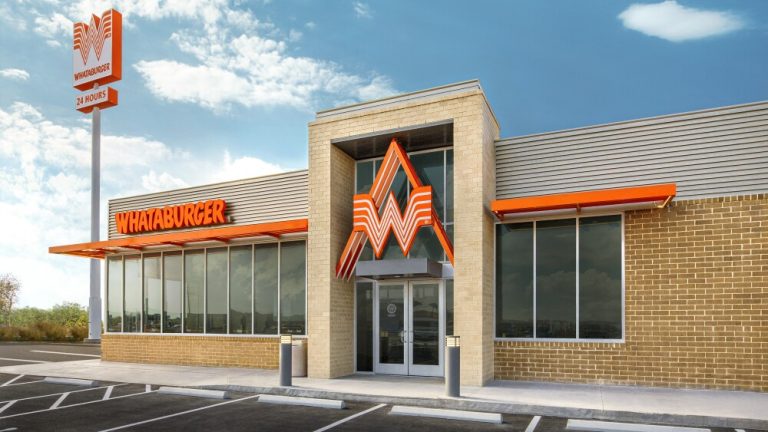
Certain locations are being built primarily for drive-thru and mobile order pickup rather than dine-in service.
Automation and AI
Voice recognition and artificial intelligence may become more common in drive-thru ordering systems.
Integration With Delivery Services
Restaurants may combine drive-thru operations with delivery platforms to streamline food preparation and distribution.
These developments suggest that drive-thru service will remain a key part of the American food industry.
Final Thoughts
Drive-thru restaurants have significantly influenced the way many Americans purchase and consume food. From early roadside burger stands to today’s digitally connected ordering systems, the concept has continually adapted to changing customer needs.
Examining How Drive-Thru Culture Is Changing the Way Americans Eat highlights broader trends involving convenience, technology, and modern lifestyles. Busy schedules, digital innovation, and evolving consumer expectations have all contributed to the rapid growth of drive-thru dining.